Better politics.
A shared future.

An independent political think tank bringing evidence, public imagination and people into the same conversation.

Explore our thinking
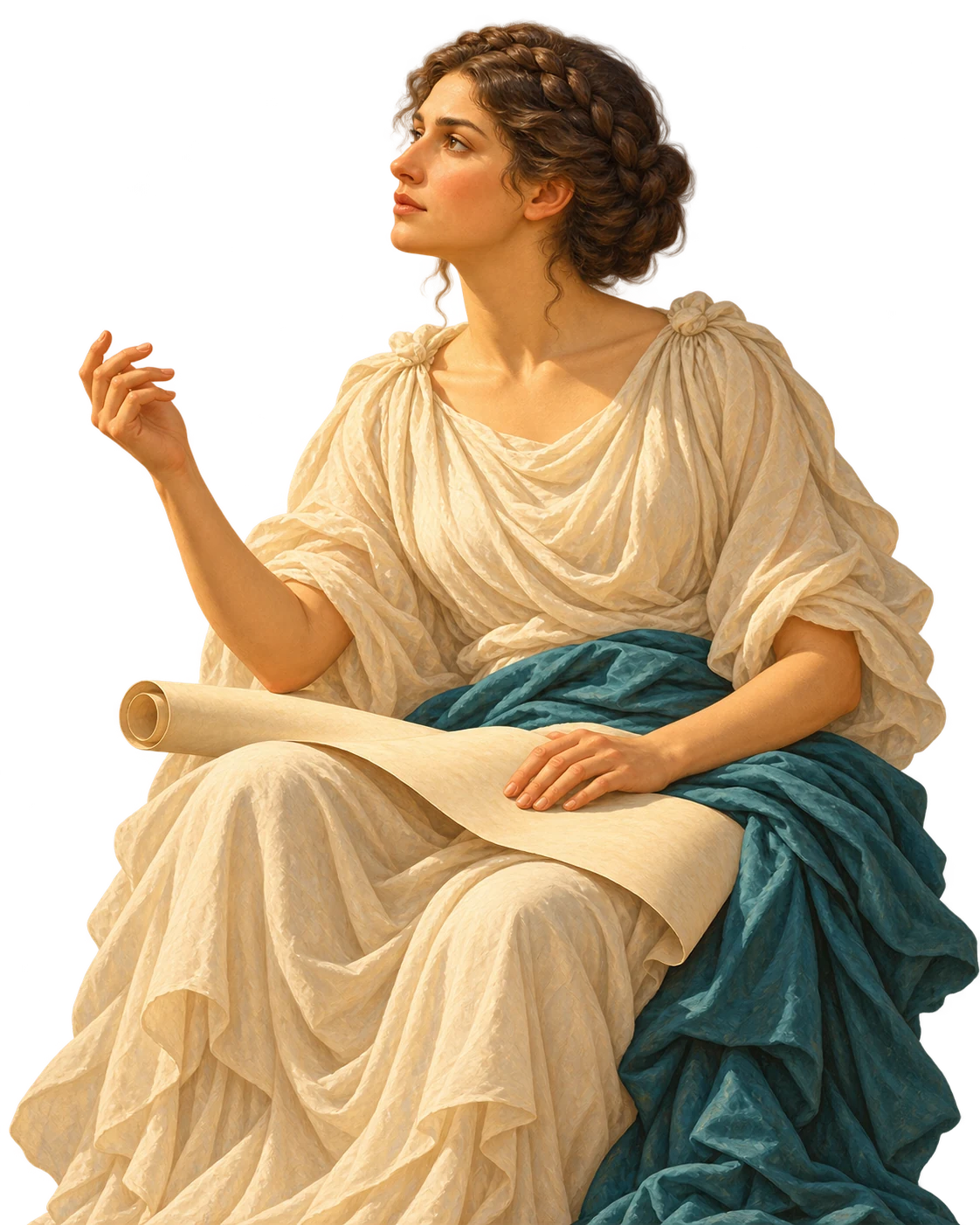
A painted civic thinker in ivory linen and turquoise drapery, holding an open scroll.

Independent thought. Common ground.

Politics belongs
to all of us.

Politis brings rigorous inquiry and public dialogue together. We explore how institutions can earn trust, how citizens can shape decisions, and how policy can serve the next generation.

Meet the ideas
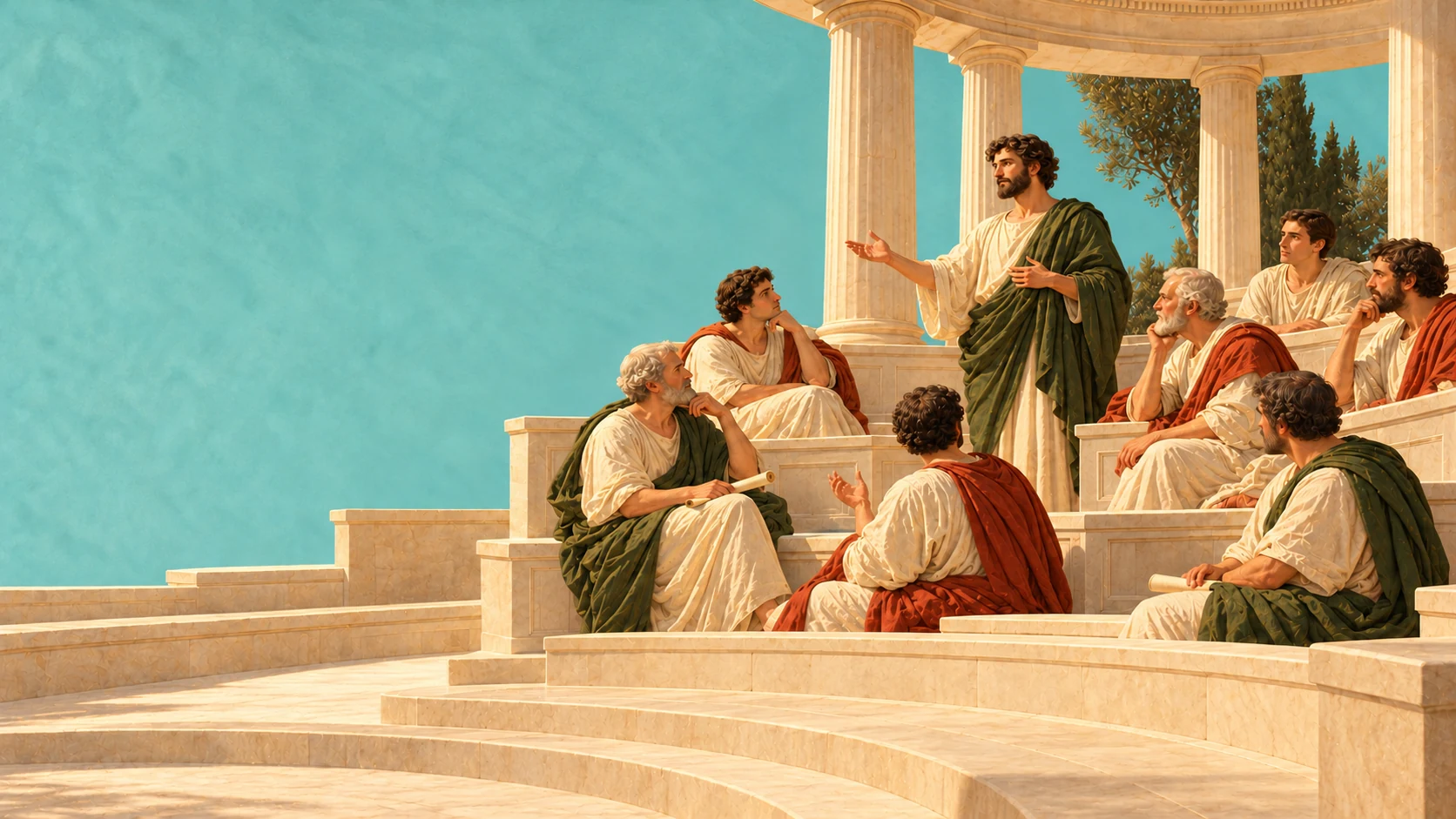
A painted senate in a warm stone chamber, listening to an orator.

Better questions.
Better decisions.

Evidence deserves a place
at the table.

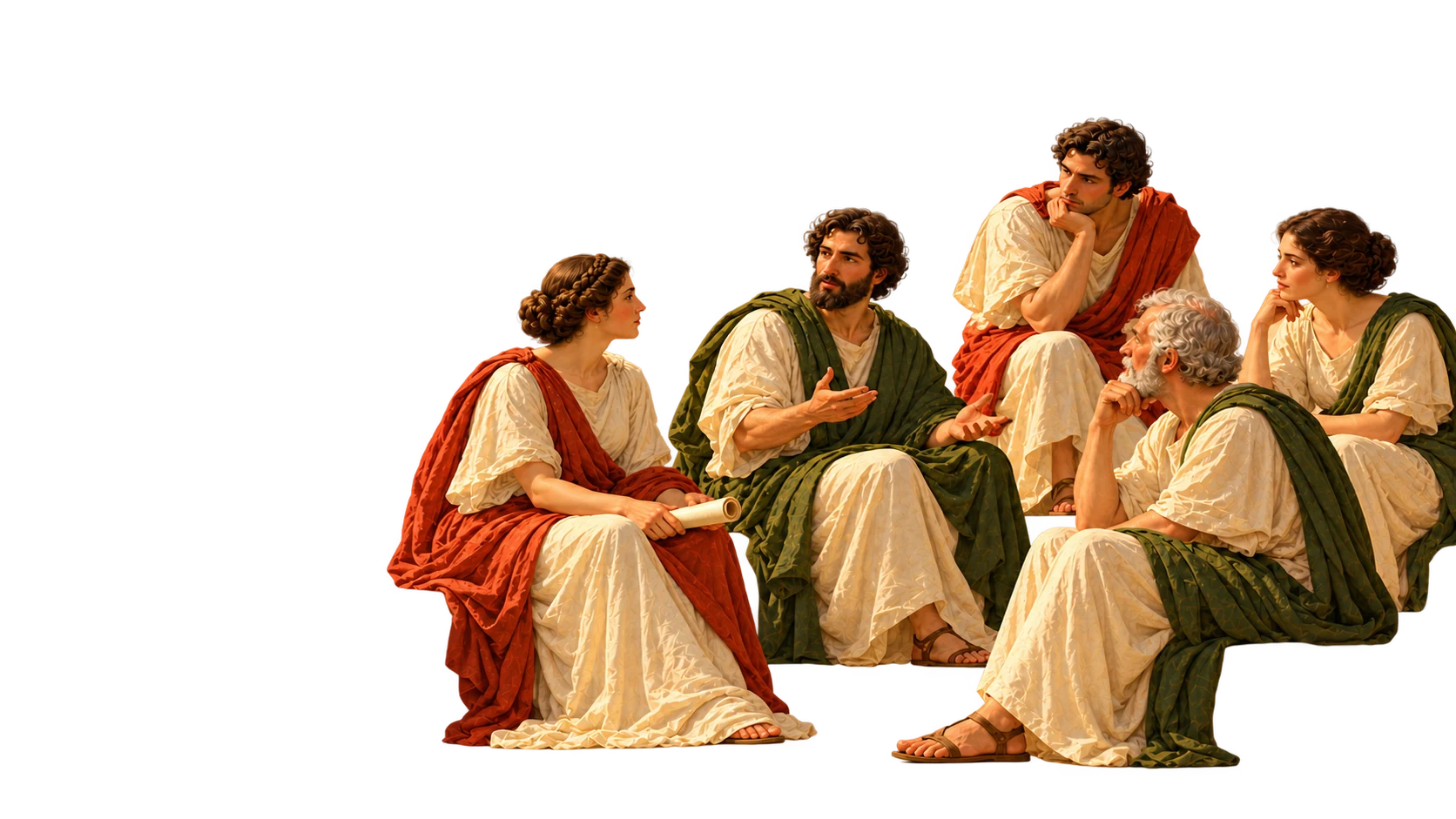
An open civic forum with sunlit steps and turquoise sky. Five citizens exchanging ideas in the public square.

A wider circle.
A stronger voice.

Democracy grows when
more people take part.

The questions that move us

A public agenda. A longer horizon.

All ideas

Democracy & institutions

How does trust
become durable?

Look beyond the popularity of a decision to the fairness of the process that produced it.

  • Accountability people can understand
  • Evidence open to scrutiny
  • Institutions capable of learning
Explore the question
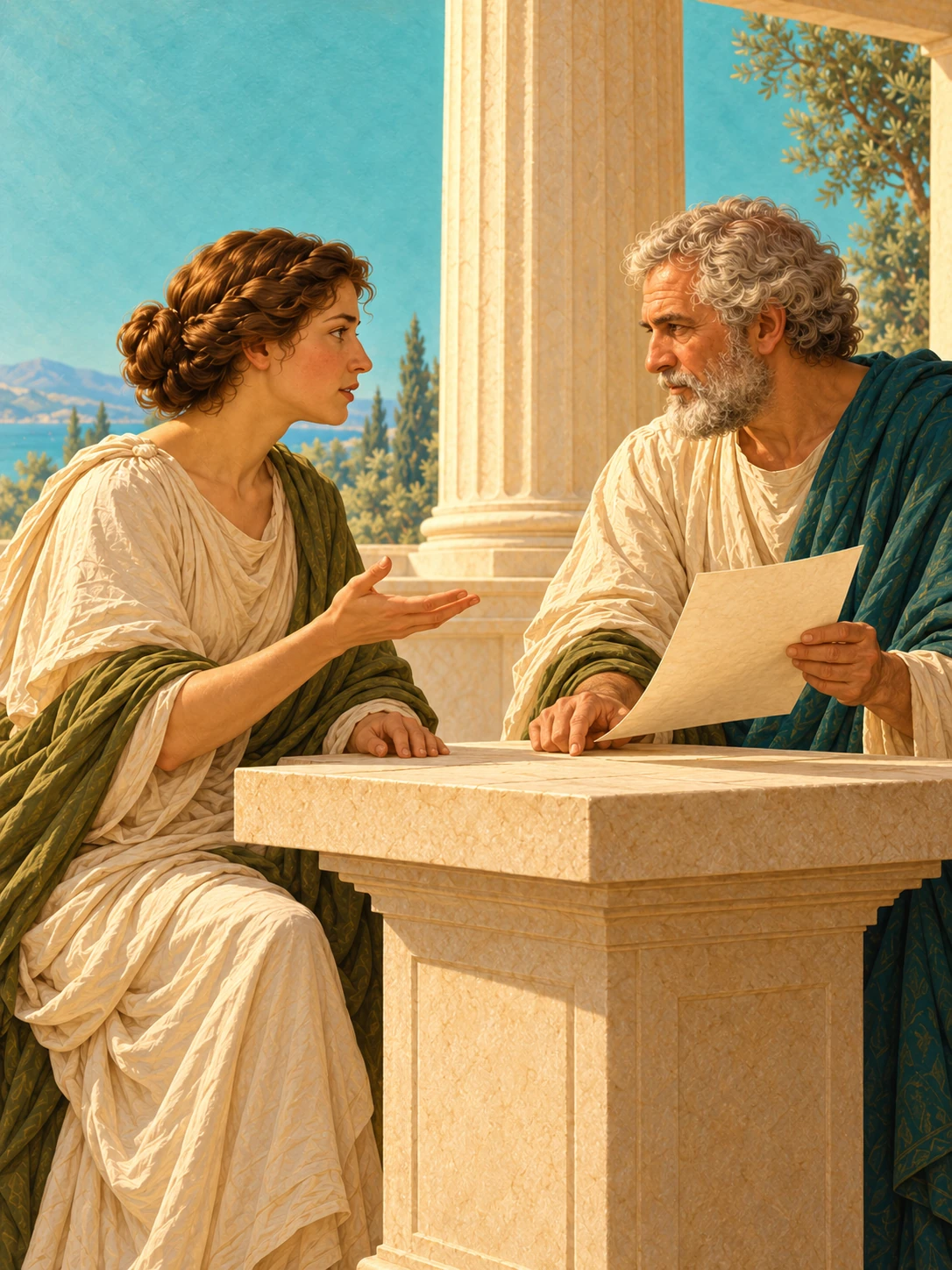
A citizen questions an official about an unlettered document.

Participation & public life

Who gets heard.
Who gets a say.

A public conversation is only as strong as the range of people able to take part.

  • Participation before choices are fixed
  • Space for overlooked experience
  • A clear response to public input
Explore the question
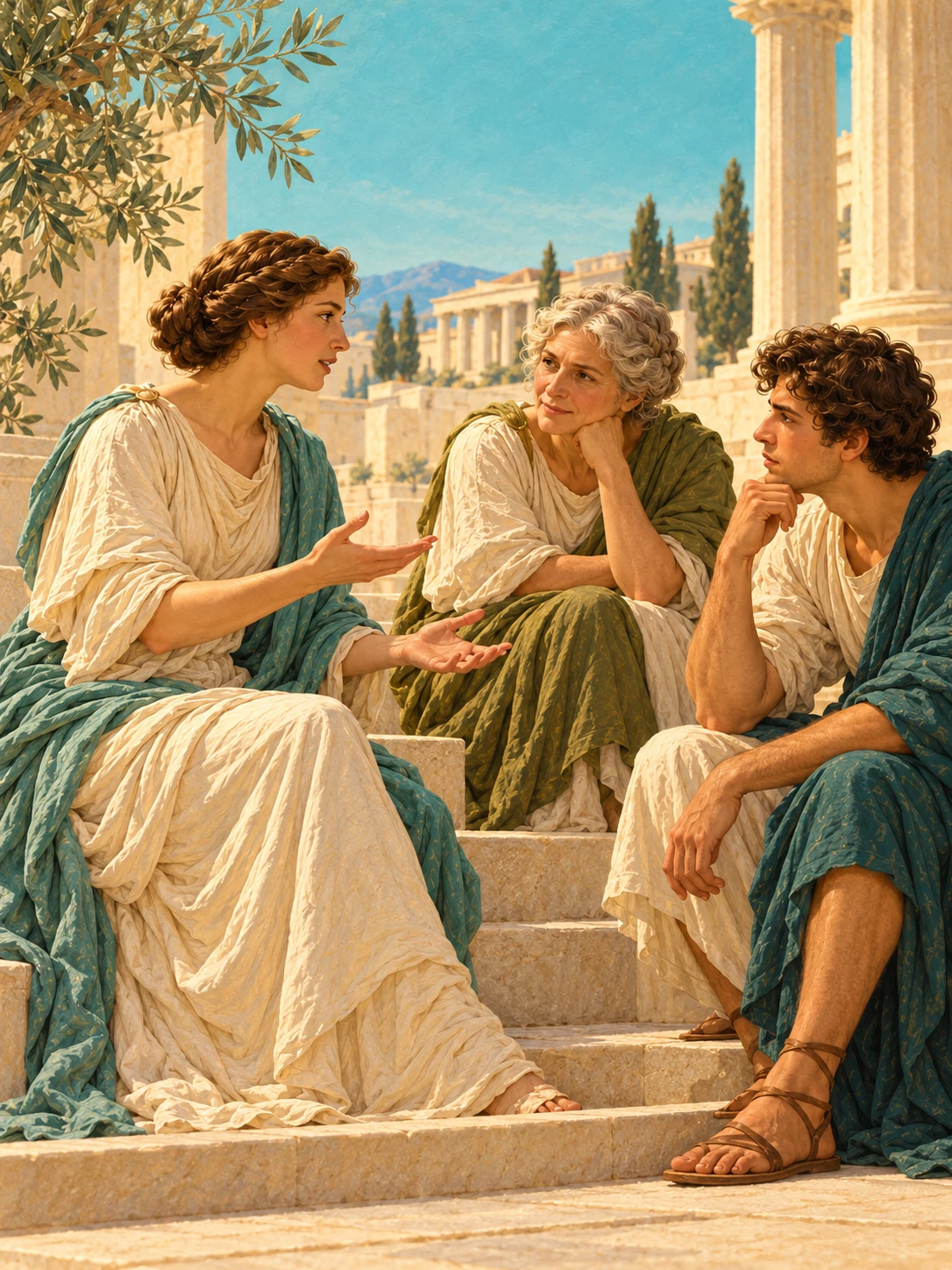
A woman exchanges ideas with two fellow citizens.

Policy & future generations

What do we owe
to tomorrow?

Test today's choices against the lives, freedoms and opportunities they leave to the next generation.

  • Long-term consequences made visible
  • Resilient public services
  • Room to adapt when evidence changes
Explore the question
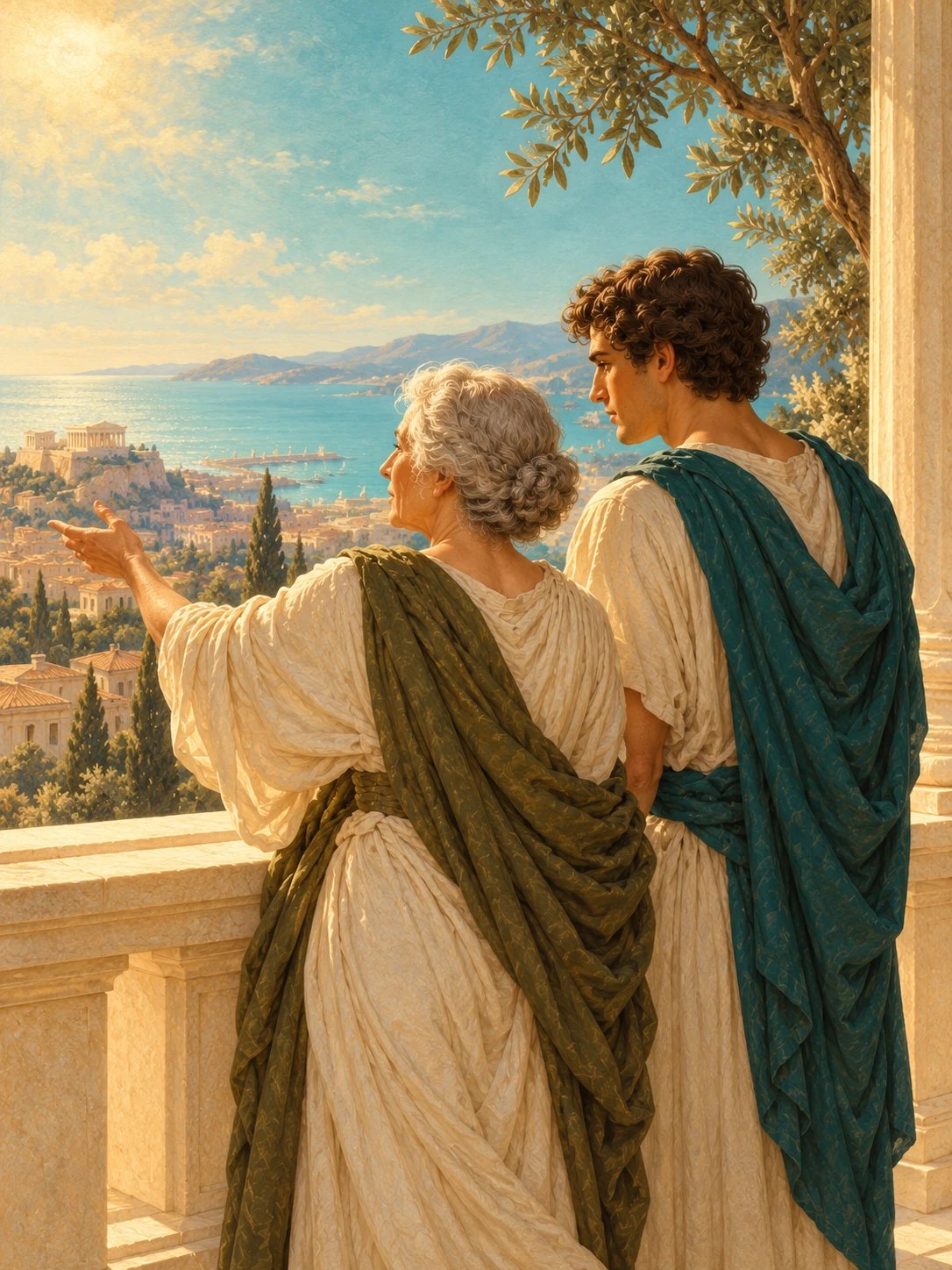
Two generations looking toward a coastal city and the open horizon.

Discussion notes

Ideas for our common life.

Original perspectives for discussion.

All notes

From inquiry
to public life.

An idea earns its place by being tested, challenged and made useful.

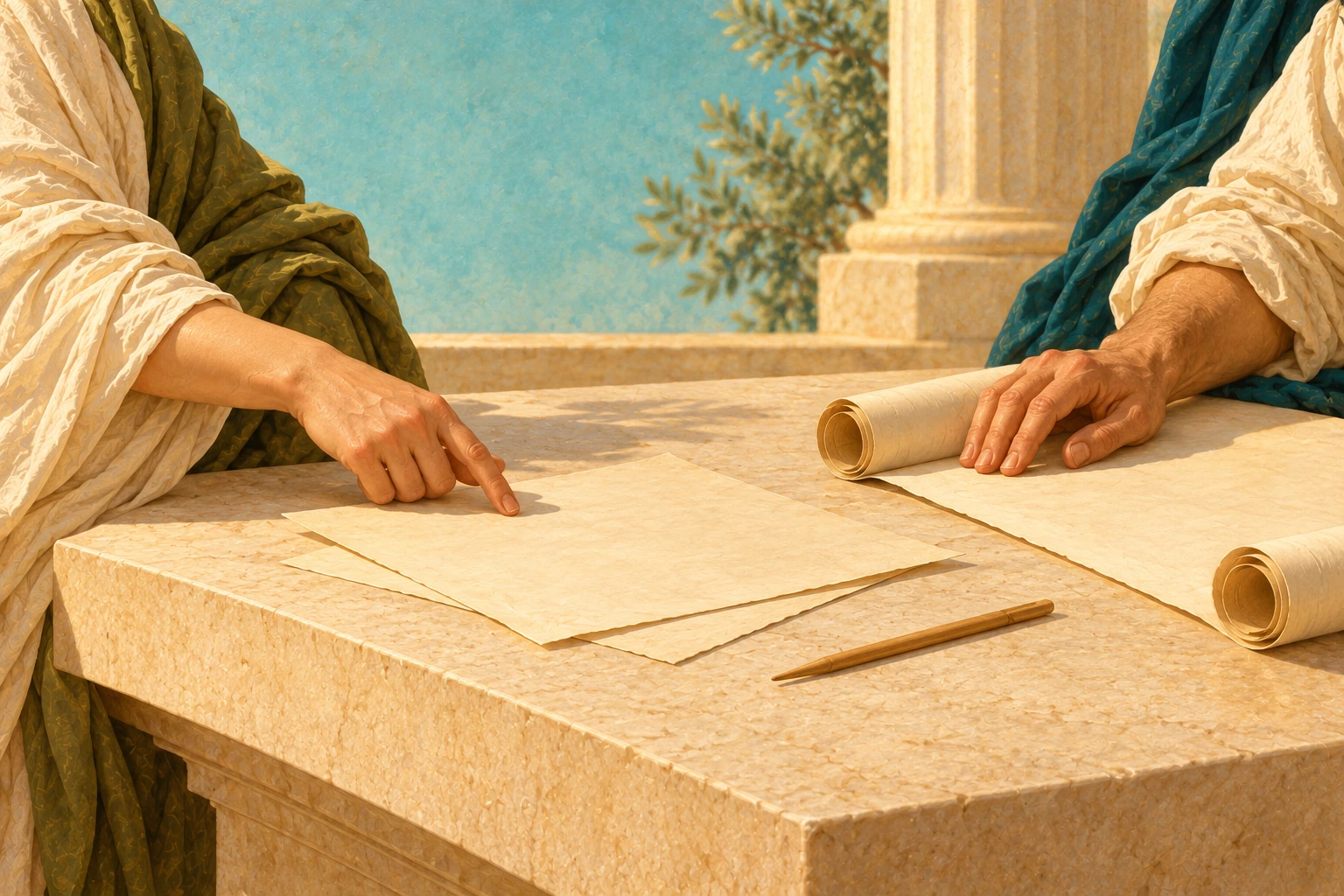
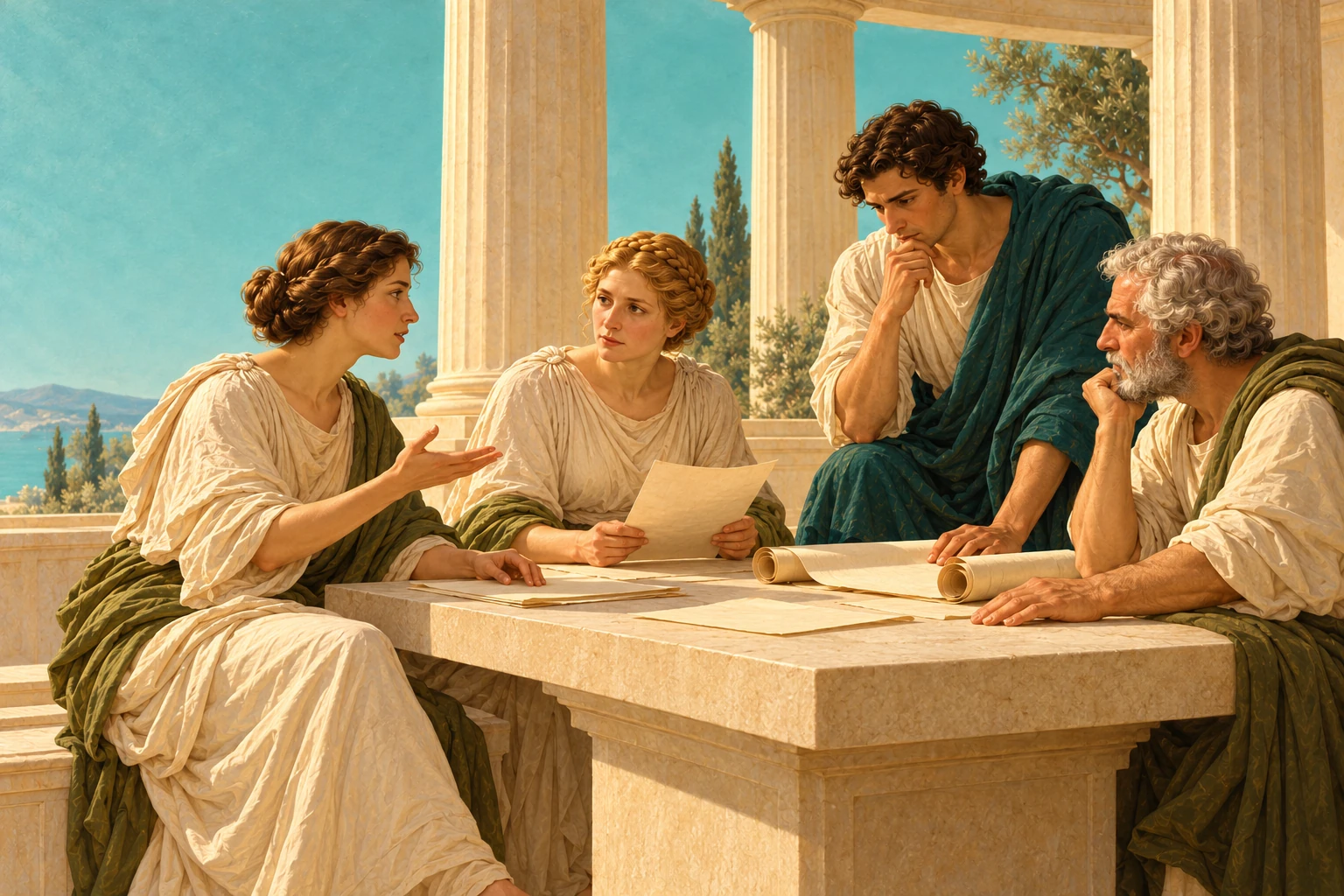
Four scholars examining an argument together around a stone table.

Better thinking is a shared practice.

Question

Begin with
what matters.

Define the public problem before reaching for a familiar answer. Ask who is affected, what has changed and which assumptions need to be examined.

Clear questions. Visible assumptions.

Challenge

Let the argument
meet the world.

Bring evidence into contact with lived experience. Make room for disagreement and treat a strong objection as a reason to think more carefully.

Open reasoning. Serious disagreement.

Translate

Make insight
publicly useful.

Explain the choices, trade-offs and limits in plain language. Offer ideas people can examine, use and improve as circumstances change.

Practical choices. Accountable decisions.

How we
hold the line.

Open minds. Clear standards.
A commitment to the public good.

Follow the evidence

Start with a question, examine the evidence, and be clear about what remains uncertain. Good ideas should stand up to scrutiny.

Make room for disagreement

Listen beyond familiar voices. Stronger arguments emerge when different experiences meet with curiosity, care and intellectual honesty.

Think beyond the next election

Consider the people who will inherit today's choices. Test proposals against their long-term effects as well as their immediate appeal.

A few
open questions.

Clarity about the work.
Room for your perspective.

What does Politis focus on?

Our agenda connects democratic institutions, citizen participation and the long-term effects of policy. We ask how public decisions can become more trustworthy, inclusive and useful.

Who is this conversation for?

People working in policy, research and civil society, and anyone who wants to understand and improve public life. You do not need a professional title to have a valuable perspective.

What does independent thinking mean?

It means allowing evidence and reasoned disagreement to challenge a preferred conclusion. Claims should be open to scrutiny, and uncertainty should be stated rather than concealed.

How can I contribute an idea?

Start with a question, an argument or an experience that deserves attention. to describe what you would like to explore.

The conversation continues

Your perspective.
Our shared future.

A question worth asking can change the conversation.
Bring yours to Politis.

A conversation among civic scholars, with room for another perspective.