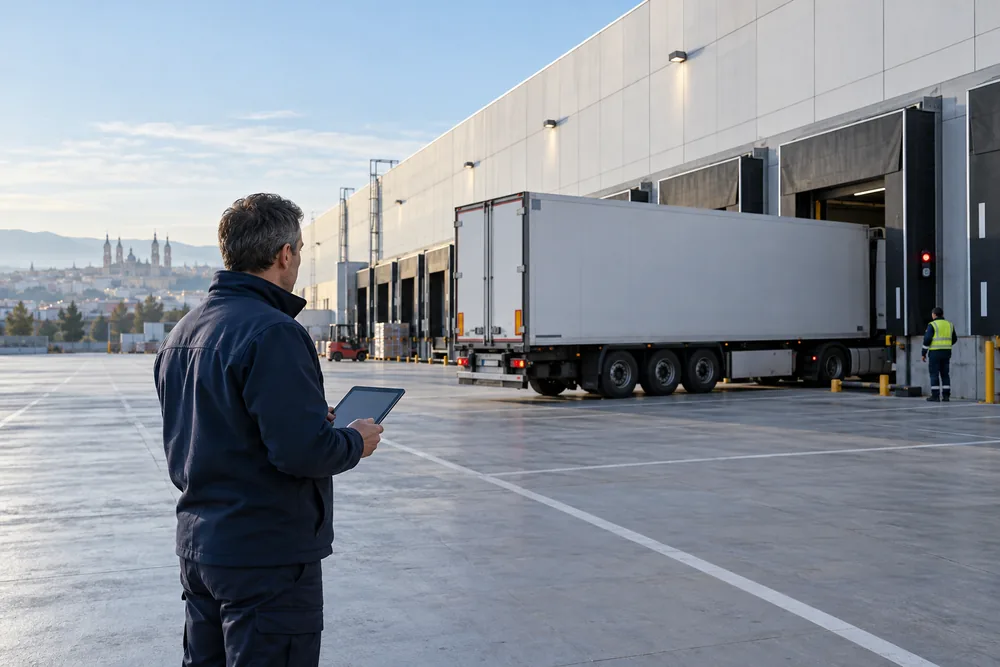
Market entry · Vela Freight
A Spanish subsidiary, opened mid-operations
9 weeks
From incorporation to the first shipment
Ferronor Metals rolls and finishes steel coil in northern Portugal. Energy had become its largest cost after raw material. In eleven months, energy cost per tonne fell by 18%, with the investment co-funded by a development-bank programme.
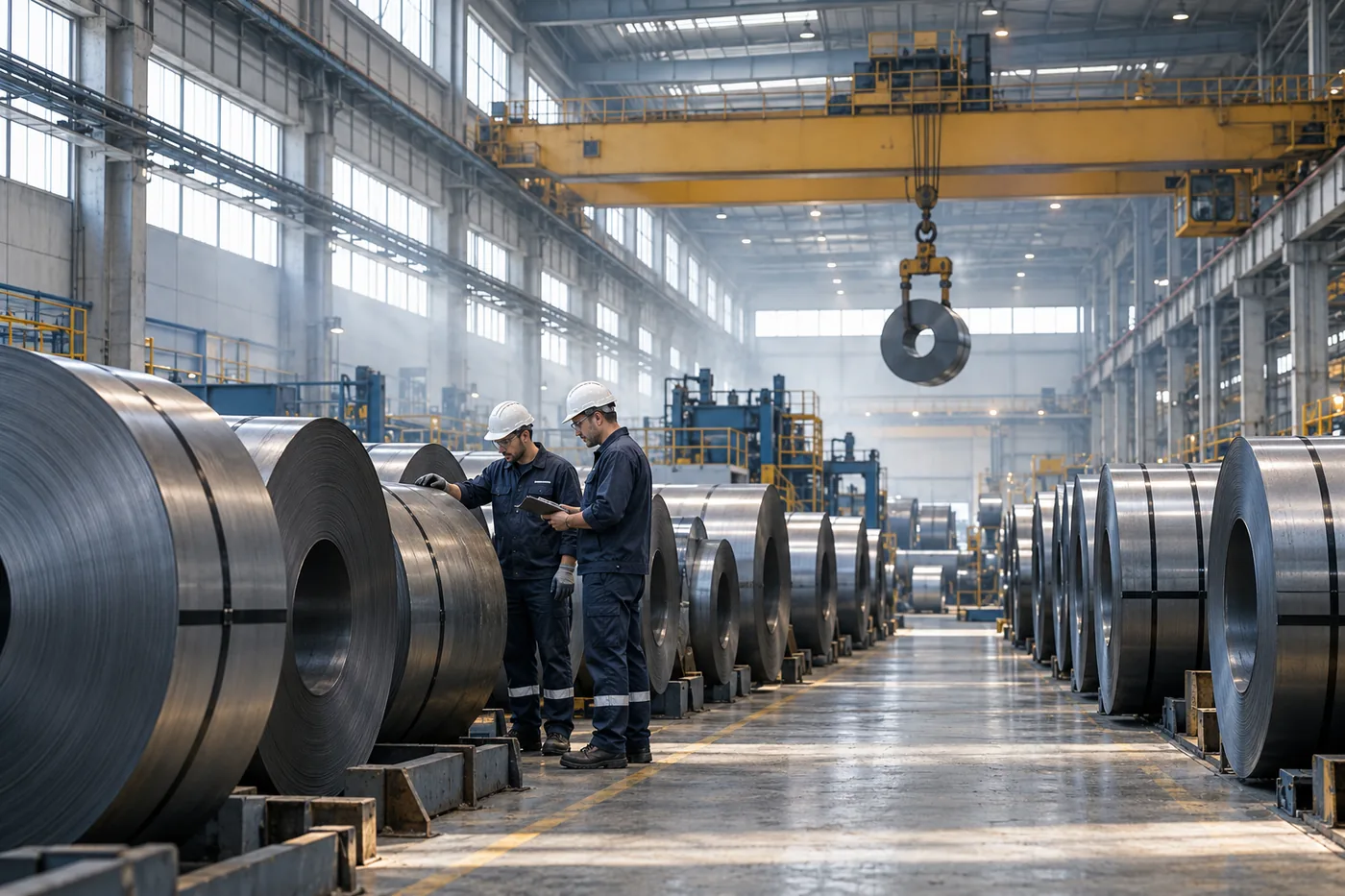
Between 2021 and 2023 Ferronor’s energy bill doubled while its order book stayed flat. The annealing furnaces ran on a schedule set fifteen years earlier, and nobody could say which line used how much.
The board asked for a plan it could finance: what to change, what it would cost, and what it would save.
In the two-week diagnostic we metered every line and set a baseline in euros per tonne. The roadmap ranked twelve measures by payback; seven made the cut.
We rescheduled furnace loads around tariff periods, replaced two compressors, and signed a ten-year solar supply agreement for 30% of demand. The investment case went to a development-bank programme, which co-funded 42% of it.
“Lintel told us on day one which numbers would move and by how much. Eleven months later, they had.”
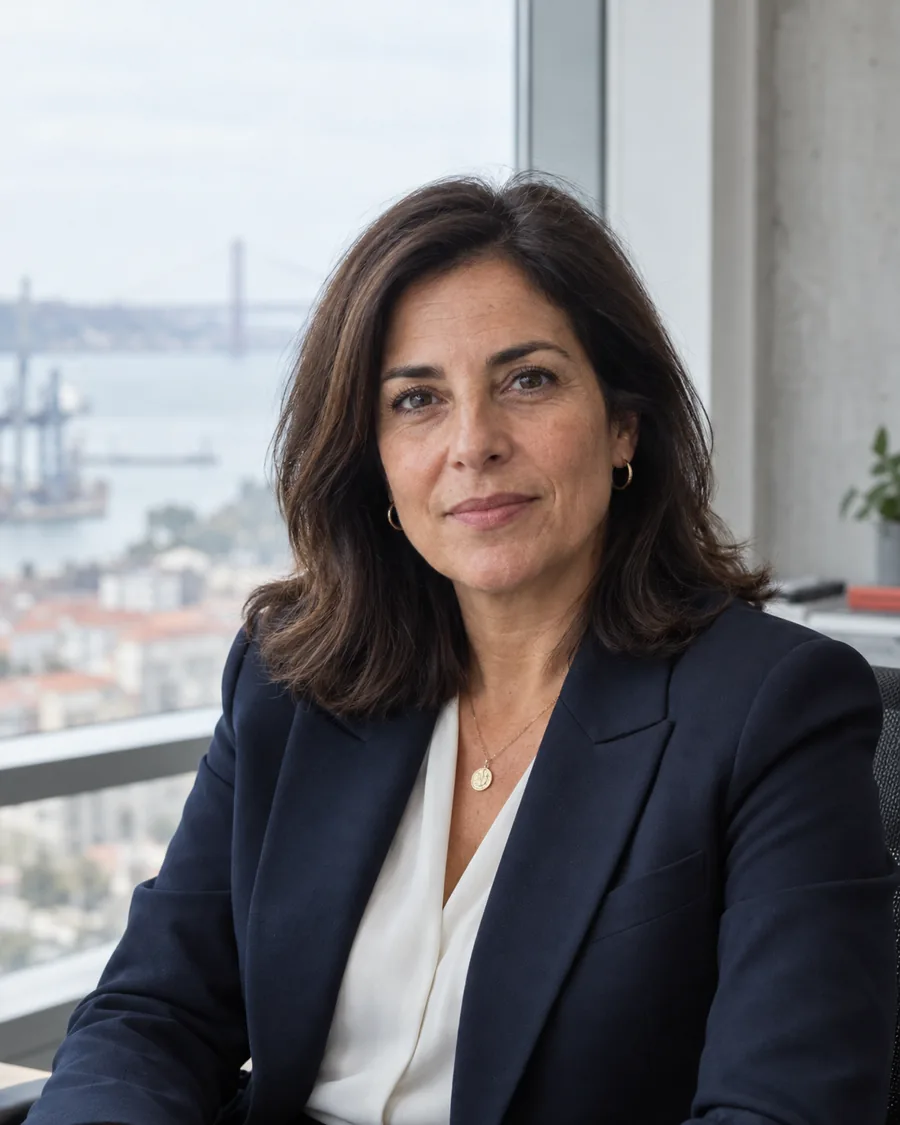 Inês ValadaresChief financial officer, Ferronor Metals
By month eleven, energy cost per tonne was 18% below the baseline, in the same units we started with. At current prices that is €1.1M a year.
Ferronor has since asked us to prepare its ISO 50001 energy-management certification.
From incorporation to the first shipment

Zero major non-conformities at the audit
A senior consultant reviews where you are, where you want to be in 12 months and which funding applies. We reply within one business day.